


Internet of Things (IoT): applications and prospects for the future
The Internet of Things (IoT) refers to the integration of internet connectivity into physical objects, allowing them to collect, process and exchange data without human intervention. The continuous development of these technologies allows new applications and innovative solutions in areas such as industry, healthcare, and everyday life.
Developments in IoT
Recent developments in IoT include the improvement of sensors, the use of 5G networks, and the integration of artificial intelligence (AI) and machine learning. These technologies enable greater data clarity, faster processing, and the ability for real-time predictions and actions. The ability to connect a greater number of devices and the speed of data transmission have accelerated the application of IoT in various sectors.
Impact on the Industrial Sector (Industry 4.0)
In industry, IoT has revolutionized the concept of Industry 4.0, where the connectivity of machines and processes enables the creation of “smart factories”. These developments integrate:
•Automatic monitoring of production processes, aimed at reducing errors and increasing efficiency.
•Predictive maintenance, which reduces machine downtime by using sensors that detect problems before they become critical.
•Automated supply chain systems, enabling immediate response to market changes.
The full implementation of these technologies is expected to lead to greater productivity and lower costs for businesses.
Restructuring of Health Care
In the healthcare sector, IoT enables the development of smart devices and wearables that monitor the patient’s physical condition in real time, providing data for:
•Cardiac monitoring, such as doctors monitoring patients’ heart function via wearable devices.
•Automatic medication administration, with devices that automatically notify patients about the next dose or even administer it automatically
•Remote monitoring, allowing doctors to monitor patients remotely and detect any changes in their health status in real time.
These technologies contribute to better patient care, while reducing costs and waiting times for medical services.
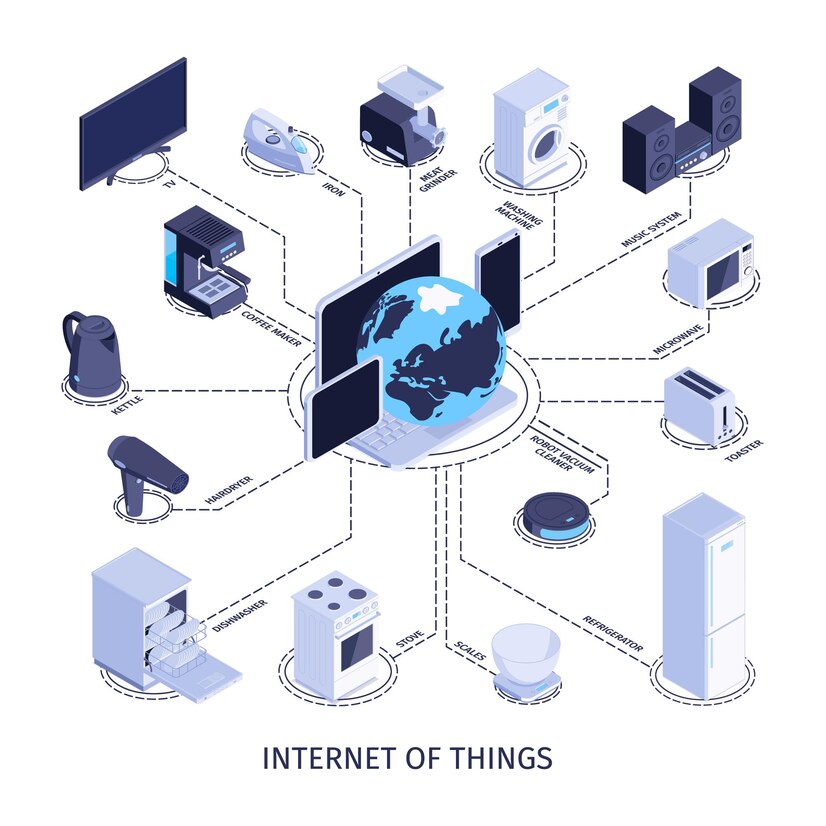
Impact on Daily Life
IoT impacts daily life with applications that integrate connected devices into homes, transportation, and personal devices.
•Smart homes with devices that communicate with each other, such as thermostats, lights and security systems that can be controlled remotely via mobile devices.
•Smart cars that communicate with road infrastructure and other road uses to improve traffic flow and avoid accidents.
•Smart stores, where consumers can make purchases without going through the checkout counters, with devices detecting selected products and automatically charging them.
These applications create convenience, save time and money, and simultaneously enhance the interaction between the physical and digital worlds.
Conclusions
Recent developments in the Internet of Things have created a new era for business and daily life, positively impacting the industrial sector, healthcare and consumer experiences. The future of IoT is expected to expand dramatically as 5G technologies will enable even faster and more reliable communication between devices, while artificial intelligence will facilitate real-time decision making. As IoT evolves, the possibilities for innovation are limitless, and businesses that utilize these technologies will be able to maintain a competitive advantage and offer new and improved services to their customers.