


The dangers of Wi-Fi networks and how to protect yourself
Wi-Fi is a technology that allows us to connect to the internet without wires, using radio waves. It is everywhere around us – from home and the office to cafés and airports – and has made our lives easier and more flexible, allowing us to stay connected and work or entertain ourselves from anywhere. However, despite its benefits, the use of public Wi-Fi networks carries several risks to our data security. Here are the main risks and ways to protect yourself:
Risks of Using Wi-Fi
1.Man-in-the-Middle (MitM) Attacks: Hackers “intercept” the communication between the user and the server, allowing them to steal data.
2.Rogue Wi-Fi Networks: hackers create fake Wi-Fi hotspots with names similar to those of legitimate networks to trick users into connecting.
3.Packet Analyzers: These tools allow hackers to monitor and record the data transmitted through the network, enabling them to retrieve information without the user’s knowledge.
4.Hidden Malicious Software Attacks: they can infect users’ devices and steal data or monitor their activity.
5.Network Security: Many public Wi-Fi networks lack proper encryption or security updates, making them more vulnerable to attacks.
Tips for Wi-Fi network security
Protecting Wi-Fi networks is important on both a professional and personal level. Here are some helpful tips to ensure the security of your devices and data:
1.Use strong passwords.
2.Use WPA3 or at least WPA2 encryption to protect your network from unauthorized connections.
3.Disable the WPS (Wi-Fi Protected Setup) connection feature.
4.Change the network name (SSID)
5.Avoid saving passwords on devices.
6.Check the devices connected to your network.
7.Disconnect Wi-Fi when not in use.
8.Update the router software.
9.If you want to allow guests to use your Wi-Fi, create a separate network for them with limited access rights
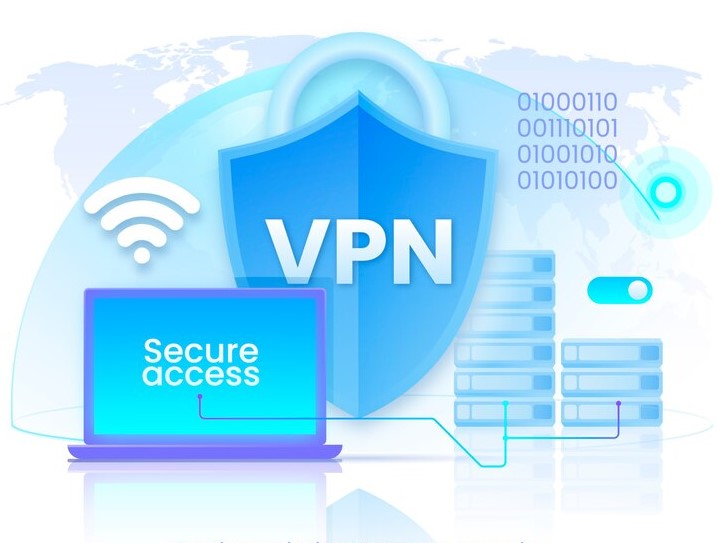
10.If you work on a public or less secure Wi-Fi network, use a VPN to encrypt your communications and protect your data from being intercepted.
By following these tips, you can ensure the security of your Wi-Fi networks and reduce the risks associated with their use, both professionally and personally.